The Atmosphere of the Asset Market
The Atmosphere of the Asset Market
[caption id="" align="aligncenter" width="760"] Photo by Saylordotorg[/caption]
The asset market atmosphere is disturbing like this, but the Fed(The Fed's New Stance) is contemplating issues such as tapering, interest rate hikes, and quantitative tightening together.
It is definitely different from the past. In the past, when the market was shaken like this, he would fiddle with an additional stimulus card and throw it away.
There is only news coming out.
Yes, because inflation is so strong.
It's not that the Fed isn't doing it... It's a situation where you can't because you're caught up in inflation.
If you release more money in the face of strong inflation concerns, you will face a situation in which inflation will become much stronger as the currency depreciates more rapidly.
Just because the asset market is struggling a bit, or fears of a real economic slowdown are growing, it is unlikely that the Fed will turn to an accommodative stance right away.
I just wish that there would be a policy that soothes the market by slightly adjusting the pace of austerity or easing.
How to reverse Quantitative Easing?
[caption id="" align="aligncenter" width="800"] Photo by World Finance [/caption]
I mentioned the word quantitative austerity earlier. Quantitative austerity is the opposite of quantitative easing.
Buying $120 billion of long-term government bonds every month
There are two steps involved in ending QE, which provides dollar liquidity to the market.
The first step is tapering. If you give a large amount of $120 billion a month and then reduce it all at once,
The market can receive an unexpected shock, so we have to reduce it little by little. 120 billion this month... 90 billion next month... 60 billion next month... And cut it down to $0 in March.
This will be tapering. Quantitative tightening is absorbing the liquidity that has already been supplied, whereas tapering is reducing what it has provided.
They sell the long-term government bonds they bought and suck the dollars they received from the market.
During quantitative easing, long-term government bonds were purchased to provide dollar liquidity, but now they are selling long-term government bonds and absorb dollars from the market.
I talked about how to reverse quantitative easing,
Side Effects of Quantitative Easing
[caption id="" align="aligncenter" width="785"]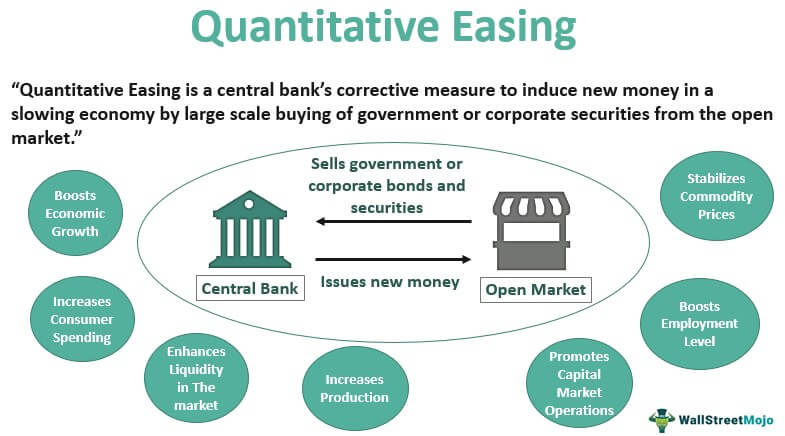 Photo by WallStreetMojo [/caption]
Quantitative easing, which was a disappointment for us and a great help to the asset market, has significant side effects, so it appears that the Fed is also trying to speed up the process of reversing quantitative easing.
What are the side effects of quantitative easing?
You can simply raise prices... You might be thinking, maybe that's it...
Of course, on the surface, stimulating inflation would be the most representative side effect.
But, rather than that, I wondered if the fact that quantitative easing was carried out for too long with a huge amount of money has created a side effect that I could not have imagined.
Think about what it is. First of all, massive liquidity was released in the market as a result of the massive quantitative easing.
At what price is liquidity released here?
Did I write it down before? Yes. You buy long-term US Treasury bonds and in return you release liquidity in the market.
The Fed has now bought nearly $9 trillion in Treasury bonds.
It can be summed up simply by saying that it is the largest ever overwhelming scale.
Buying huge amounts of government bonds and supplying dollar liquidity, this loosened dollar liquidity stimulated the asset market and inflation(Is Inflation Good or Bad?).
The problem is, the central bank enters the long-term government bond market, where the central bank did not originally, and buys a huge amount of government bonds through quantitative easing…
There will be significant price distortions in the long-term Treasury bond market. Think about it.
There are certain stocks, but a big hand that has not been there in the past comes in and continues to buy a certain amount of money.
A certain amount here can be considered as an unprecedented amount of money.
Existing investors who invest in the asset market will then cheer.
Market participants who buy long-term government bonds have three thoughts.
Increasing Bond Values
[caption id="" align="aligncenter" width="1046"]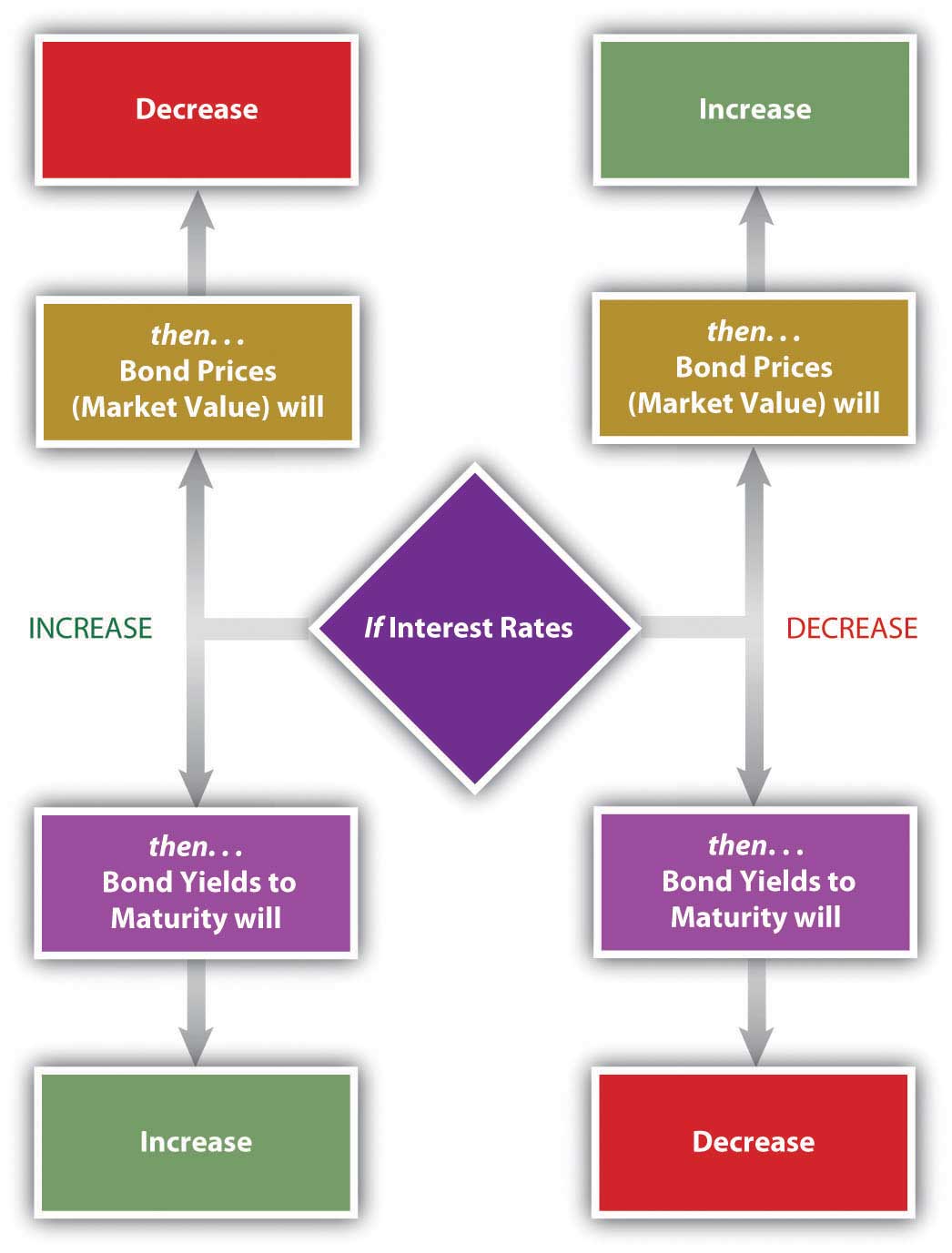 Photo by GitHub Pages[/caption]
The first is the idea that as quantitative easing continues, money will flow in like a flood, which will increase the value of bonds and decrease bond yields.
When money flows in, the supply of money increases, so the interest rate(Inflation and Interest Rates), which is the price of money, will bow its head.
So, since the rewards of investing in very stable Treasury bonds are so small, you may want to expect more returns by making bold investments in other risky assets.
Yes, it can be summed up that interest in risky assets such as stocks has increased due to quantitative easing.
Comfort of Market Participants
The second is the comfort felt by market participants.
To this day, the Fed(Why The Fed changed its direction? has always responded by buying such a large amount of money and releasing it whenever it is difficult.
He'll stop worrying.
The emergence of too big a hand from the Fed in the bond market gives confidence that bond yields will stabilize downwards and prolong.
Then, even if interest rates rise(4 Points Interest Rates are soaring high these days), you will hardly be concerned.
If you hold on a little longer anyway, interest rates will fall and bond values will rise.
The Side Effect of QE
[embed]https://www.youtube.com/watch?v=afDzRqcq3eY[/embed]
The third is a side effect of QE that has been going on for too long, that people's expectations of the asset market are different from in the past.
I have a friend named Michael.
He wants to leave the company and become a full-time stock investor.
What are Michael's options?
Yes.. Even now, I have to go out and watch the big water and invest.. and no.. I have to stay.
The stock market can go down sharply at any time, and given its volatility, you might be thinking that a stable job is much better...
But, what if asset prices don't drop significantly?
If you look at the major corrections since the global financial crisis, the Fed intervened and supported it when it looked like a full-fledged downturn.
As the Fed is holding out well with QE, the asset market has held up well, and people feel that the stock market has changed a lot from what it was in the past.
So, isn't the stability of the stock market higher than in the past?
Why would Michael go to work if he could earn a higher return on a stable investment in the stock market?
Yes, then Michael would quit his company and start investing in full-time stocks...
There are jobs in the US right now, but people who think like Michael are the reason why people can't find jobs.
This is the scar left behind by the prolonged quantitative easing. The prescription of quantitative easing, which at first glance seemed too good to give a strong stimulus effect... This has various side effects
that is indicating. And the side effect seems to have been greatly expressed because quantitative easing was carried out for too long with a too large amount.
If you take too much of a health food or nutritional supplement for a long period of time, it can have side effects on your body.
Yes, the Fed is now feeling the side effects of QE
And among them, it is throwing a frequent warning message in the sense that the price increase is not serious, that there is an overabundance of jobs due to an increase in asset prices or the need for full-time investment, and that the price increase can be fixed due to a rise in wages. Let's see what he's going to do next.

Comments
Post a Comment