4 Reasons Interest Rates are soaring High these days
4 Reasons Interest Rates are soaring High these days
The idea that interest rates will go down forever...
In spite of that thought, interest rates in global countries have been rapidly rising recently.
Today, I would like to talk about :
Why interest rates have risen so much recently
[caption id="" align="aligncenter" width="1920"]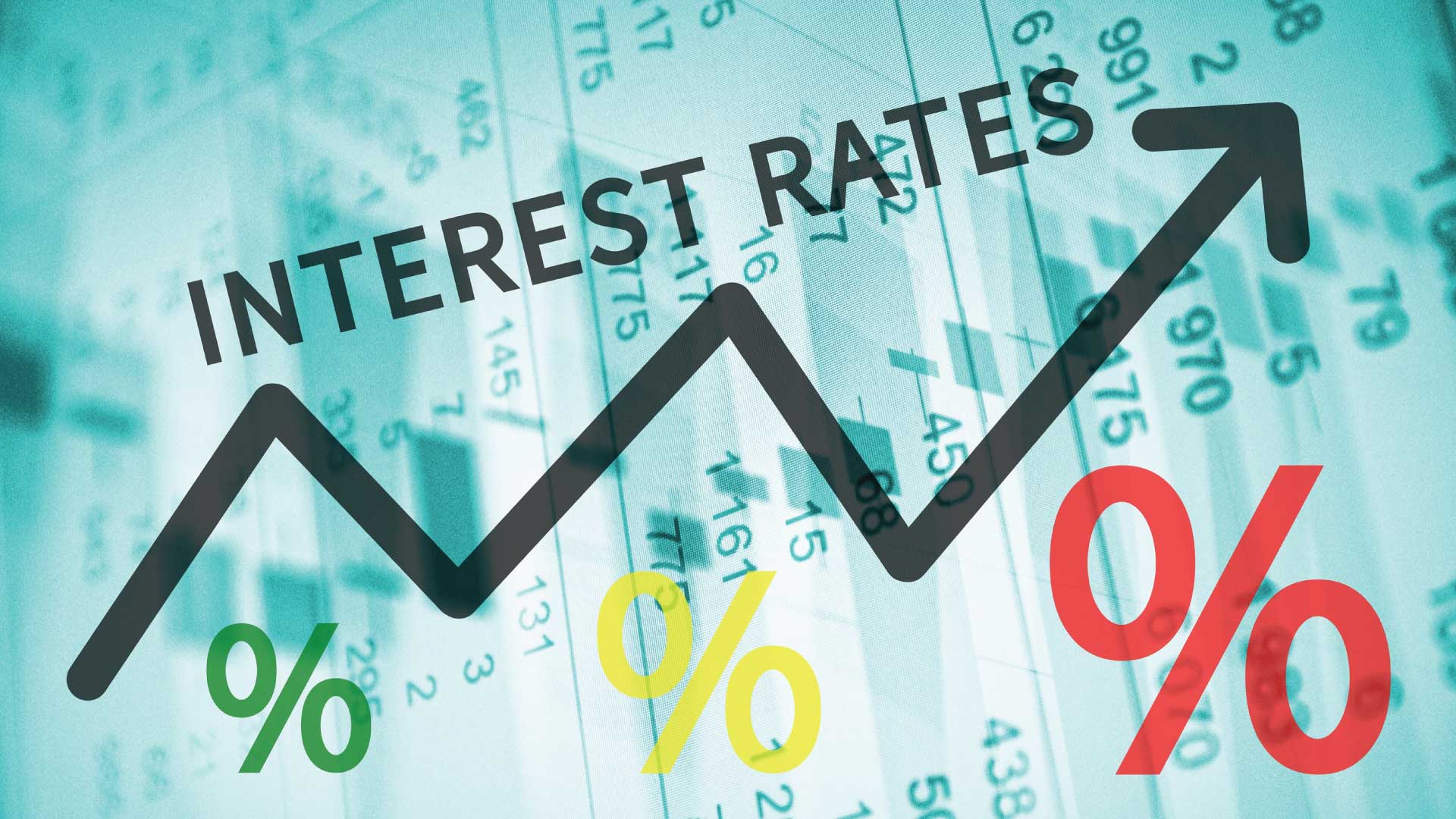 Uprising Interest Rates[/caption]
0. Growing Demand for Money
Interest rates are the value of money.
Price is determined by supply and demand. The same goes for money. There will be demand for money, and there will be supply for money.
As often seen in the news these days, when news such as that the central bank increases the liquidity supply...
It can be seen that the supply of money increases.
It's easy to get here, but there are some people who have a little trouble with the growing demand for money.
The demand for money increases when more people want to borrow money.
Check out this video
https://www.youtube.com/watch?v=vItRHYu-A88&ab_channel=KhanAcademy
Rather than personally borrowing $1,000 or $2,000, the demand for money often increases when companies borrow money in units of millions or billions for investment.
If the demand for money increases... The price of money will go up. The value of money is said to be the interest rate.
So now that interest rates are going up, we can just think of this. Yes, there is a growing demand for money.
1. Investment against Retaliatory Consumption
[caption id="" align="alignright" width="390"] Demand for money increases interest rate: the number one reason interest rates are increasing[/caption]
A lot of talk these days is about vaccines and economic recovery.
As frustrating as the vaccine came out, as much as I could not consume externally.
This is what we call ‘retaliatory consumption’.
Retaliation consumption explodes. Then it will become the so-called 'major'.
The period when retaliatory consumption explodes will be the highlight, and then companies that properly supply their products can make money.
Then, companies that have reduced supply during the last corona period should prepare to quickly increase supply.
You will have to run additional production lines.
Operating additional production lines will mean increasing equipment investment.
What do you need to invest? Yes, that's money.
You will have to borrow money to invest.
If the demand for money increases, of course, the price of money, the interest rate, will rise, right? Yes, this is probably the number one reason interest rates are going up.
2. Continued Government Spending
The next thing I can say is that the government's fiscal spending is still going on.
Governments around the world are preparing various forms of additional economic stimulus to help the economic players that have been impacted by the current corona crisis.
The same goes for the Korean government, and the Biden administration in the US is also preparing a strong additional economic stimulus package that has not been seen in the past.
If the additional stimulus of $1.9 trillion is prepared this time, it will be a truly record-breaking fiscal expenditure.
The question arises right here. The question is, where does the government come from to spend money like this?
The way the government gets money is by raising taxes (tax increase) or by issuing government bonds to borrow money.
But now raising taxes is the answer! I can't.
[caption id="" align="alignright" width="273"] Investing in Bonds[/caption]
If you don't raise taxes, you will eventually have to borrow money by issuing government bonds.
Borrow money by issuing government bonds? Yes, the government borrows a lot of money.
Treasury bonds are loans issued by the government.
They will give you a certificate of loan, that is, government bonds, and suck money from the market.
Then the price of money will go up as the market is short of funds. What is the price of funds?
Yes, that's called interest rates.
The second reason interest rates rise.
This is because the government's economic stimulus is running out of funds... You can interpret it this way.
3. Central Bank's Suppression of Supply
[caption id="" align="aligncenter" width="438"] Monetary Policy and the Central Bank[/caption]
I've found the answer on the money demand side, but there's still one left. It is the supply of money.
I mentioned earlier that central banks are leading the money supply, but recently central banks are saying they are wary of inflation.
And as the economy is improving rapidly, it seems that the policy of pouring money in a haphazard manner like last year will not be implemented.
The Bank of Korea has also expressed concerns about an asset price bubble while drawing a line for further cuts in the base rate.
The US Fed has also mentioned that the rise in interest rates is natural, and has not shown any stance to contain the recent rise in interest rates through additional supply of funds.
Yes, the supply of funds is not as strong as it used to be.
But as the demand for funds is much stronger than before, the supply is small and the demand increases, so the price will inevitably go up.
Yes, that's why interest rates are rising fast right now.
4. Money Directed to Stocks
One last thing to say.
Interest rates have risen recently, but interest rates are still quite low compared to the past.
Just looking at the term deposit interest rate, it is said that 2% per annum is really high.
Since the absolute interest rate is so low, as I said before, TINA (There is no alternative) will come out.
In the end, I prefer stocks to bonds with lower interest rates.
So, instead of going to the bond market, money flows to the stock market.
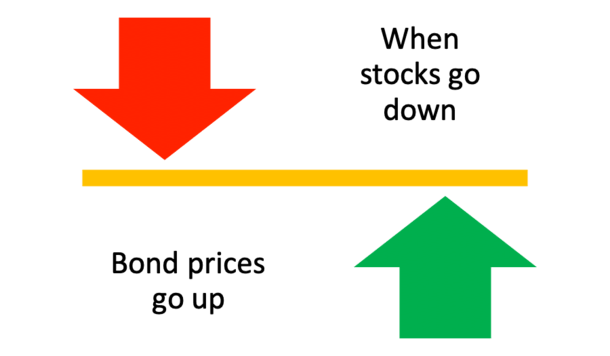
If there is no money supply in the bond market, interest rates go up.
It's going to be okay
Yes, as the stock market sucks in money, the market is running out of funds, which is causing interest rates to rise.
At least the current demand for funds will continue to expand, and to solve this problem, we will need to expand the supply.
So market participants are anticipating the central bank to provide additional liquidity while guarding against excessive rate hikes.
Market participants who are now dealing with rising interest rates,
It seems to be a time when the central bank's every move is important.

Comments
Post a Comment